
Freud and Erik Erikson Development Theory

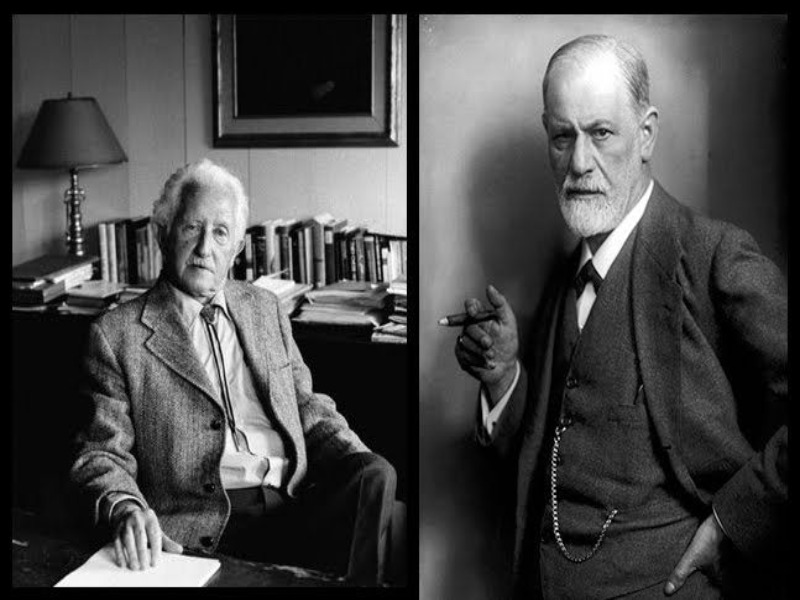
Key Similarities and Differences Across the Lifespan
Introduction
Sigmund Freud and Erik Erikson are two of the most influential figures in the field of developmental psychology. Although Erikson was influenced by Freud—partly due to his mentorship under Freud’s daughter Anna—he expanded and redefined Freud’s ideas in key ways. Both theorists proposed stage-based models of human development, yet they differed significantly in their focus.
Freud’s psychosexual theory emphasized how unconscious drives and early childhood experiences shape personality. In contrast, Erikson’s psychosocial theory placed greater emphasis on social relationships and development across the entire lifespan, not just childhood.
Today, while Freud’s ideas have lost prominence among some psychologists, Erikson’s psychosocial framework remains widely applied in educational, clinical, and developmental settings.
Birth to 1 Year
Both Freud and Erikson recognized that the earliest stage of life is foundational for personality development, but their interpretations of this stage differ significantly.
Key Difference:
Freud focused on the role of feeding and oral stimulation, while Erikson emphasized the child’s emotional bond with caregivers and the development of trust.
Freud’s Theory – Oral Stage:
According to Freud, this stage is defined by the oral phase, where an infant derives pleasure from activities involving the mouth—such as sucking and eating. Fixations that result from unmet needs during this stage may manifest in adulthood as habits like smoking, overeating, or nail-biting.
Erikson’s Theory – Trust vs. Mistrust:
Erikson proposed that infants learn to either trust or mistrust their environment depending on the reliability of their caregivers. Responsive, consistent care helps infants develop a secure view of the world. If care is inadequate or inconsistent, the result may be lasting mistrust.
Ages 1 to 3 Years
Both Freud and Erikson addressed the growing autonomy of toddlers, though they interpreted its significance differently.
Key Difference:
Freud focused on the child’s control over bodily functions, while Erikson highlighted the emotional tension between developing independence and the risk of shame.
Freud’s Theory – Anal Stage:
During this stage, children experience a sense of control and mastery through toilet training. Freud believed that overly strict or lenient parenting could result in traits such as orderliness or messiness later in life.
Erikson’s Theory – Autonomy vs. Shame and Doubt:
Erikson viewed this phase as a social-emotional conflict. Children begin to assert independence, and the way caregivers respond—either with encouragement or criticism—shapes the child’s emerging self-confidence or self-doubt.
Ages 7 to 11 Years
Freud viewed this period primarily as a transitional phase between childhood and adolescence. In contrast, Erikson emphasized that children continue to develop a sense of independence and competence during these years.
Key Difference:
While Freud considered this stage a pause in psychosexual development, Erikson highlighted its critical role in fostering confidence through achievement and recognition.
Freud’s Theory:
The fourth psychosexual stage is called the latency period. During this time, the libido’s sexual energy is largely dormant, and children focus more on social activities such as school, friendships, and hobbies. Freud acknowledged this stage as important for developing social skills and self-esteem.
Erikson’s Theory:
The fourth psychosocial stage is industry versus inferiority. Children build a sense of competence by mastering new skills like reading and writing. Success in this stage leads to pride in accomplishments, while struggles can result in feelings of inadequacy.
Adolescence
Adolescence is a pivotal stage in both Freud’s and Erikson’s theories. Both theorists agree that teenagers begin forming their individual identities during this period.
Key Difference:
Freud emphasized sexual maturity and romantic relationships, whereas Erikson focused on identity formation and developing a strong sense of self.
Freud’s Theory:
The fifth psychosexual stage is the genital stage, when adolescents start exploring romantic and sexual relationships. Freud believed the goal is to achieve balance among various life areas. Those who have resolved earlier stages typically become well-adjusted, caring adults.
Erikson’s Theory:
The fifth psychosocial stage is identity versus role confusion, occurring roughly between ages 12 to 18. Adolescents explore different roles, beliefs, and identities to develop a personal sense of self. With adequate support, they emerge with a strong identity; without it, confusion about their role and place in society can persist.
References
Cherry, K. (2025, February 16). A Comparison of Freud and Erikson’s Theories of Development: Key similarities and differences at all stages of life. Verywell Mind. https://www.verywellmind.com/freud-vs-erikson-2795247
Morin, A. (Reviewer).


